

Music and Comic Books: A Happy Marriage or a Traumatic Relationship?
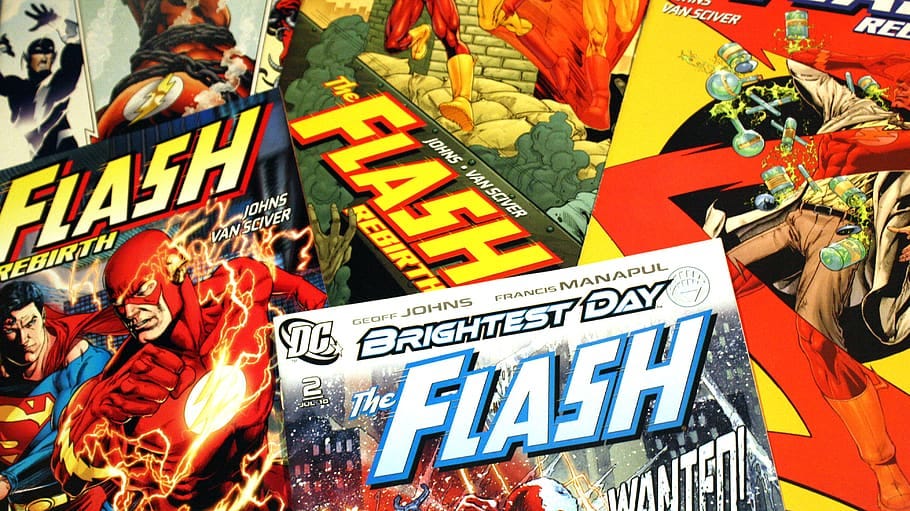
In the realm of popular culture, few things have managed to captivate audiences quite like music and comic books. Both forms of artistic expression have the extraordinary ability to transport us to different realms and evoke intense emotions. Therefore, it seems almost inevitable that these two creative outlets would eventually merge, birthing an intriguing and complex relationship between sound and visuals. But is this marriage a harmonious blend, or does it create a cacophony of conflicting elements?
When examining the connection between music and comic books, it becomes immediately evident that their shared purpose is to tell stories. Stories enable us to escape reality and explore worlds limited only by our imaginations. With comic books relying on the power of visuals to narrate tales, the inclusion of music seems, at first glance, unnecessary. However, beneath the surface, lies a vast potential waiting to be unraveled.
One of the most notable examples of this intertwining of music and comics is the emergence of comic book soundtracks. These immersive experiences present readers with the opportunity to enhance their connection to the story as they listen to a carefully curated playlist while reading. The music helps set the mood, intensify emotions, and provide a more complete narrative experience. Imagine reading a graphic novel about a gritty detective prowling the dark alleyways, accompanied by a jazzy noir soundtrack that echoes in your ears as you turn the pages. It adds an extra layer of depth and draws readers even further into the artist's vision.
Conversely, musicians have also discovered the allure of comics as a visual medium to accompany their sonic creations. Some artists have taken this synergy to new heights by releasing accompanying graphic novels or incorporating comic book-inspired artwork into their album covers. This fusion allows musicians to extend the storytelling aspect of their music beyond just the auditory experience, granting fans a more immersive and comprehensive encounter with the artist's intended message.
However, it must be acknowledged that not every attempt at blending music and comics has proven successful. The relationship between these two mediums is intricate, and missteps can lead to a disjointed and confusing amalgamation. Poor execution can result in a jarring experience where the music overpowers the visuals or the imagery fails to align with the sonic themes. Achieving a delicate balance is essential to ensure that both mediums complement and enhance each other, rather than challenging the audience's ability to absorb and appreciate the story being told.
In the end, the union of music and comic books is a double-edged sword that holds the potential for both brilliance and disappointment. When executed with care and artistic coherence, this fusion can transport readers and listeners to extraordinary worlds overflowing with emotion. Conversely, a lack of synergy can leave individuals feeling disoriented and out of touch with the intended narrative.
Ultimately, the success of this relationship lies in the hands of the artists and their ability to masterfully merge the strengths of both music and comic books. Each medium possesses its own unique power, and when harnessed in unison, they have the potential to create something truly exceptional. The happy marriage or traumatic relationship between music and comic books ultimately depends on the delicate balance between two distinct art forms and the artists' expertise in blending them seamlessly.
Whether this bond flourishes or falters ultimately rests on the ingenuity and skill of those who dare to explore their inexorable connection. Only time will reveal the true potential and impact of this complex relationship, as it continues to evolve and captivate our collective hearts and minds.