

The importance of transmediality nowadays in culture industry
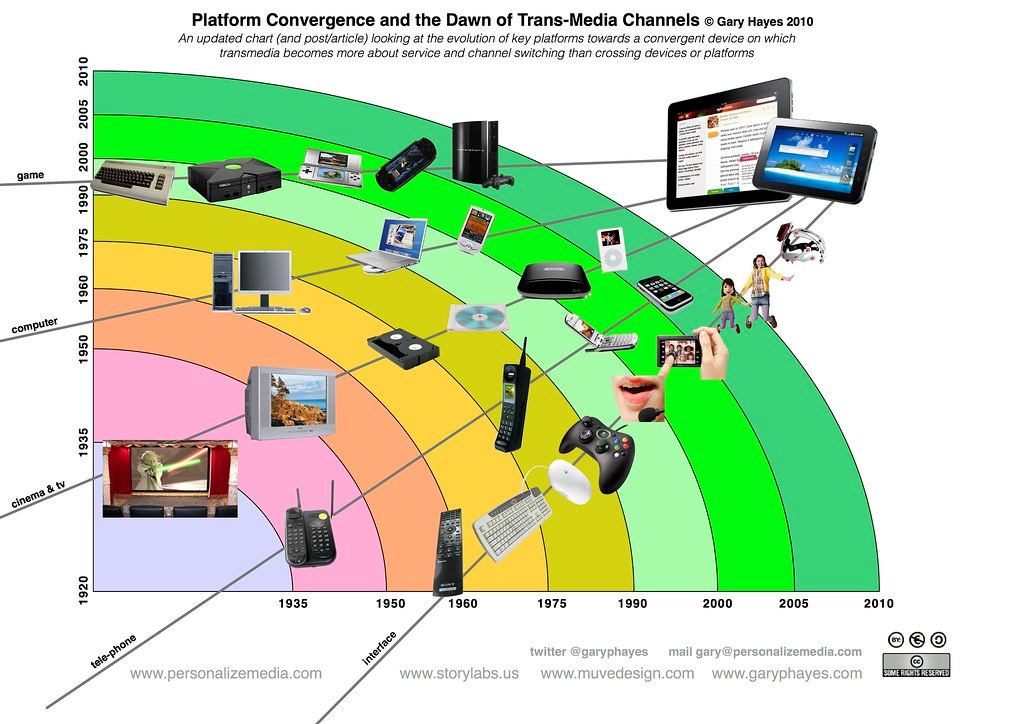
In the ever-evolving landscape of the cultural industry, a concept called "transmediality" has gained significant traction in recent years. Transmediality refers to the seamless integration of content across multiple media platforms, creating a cohesive and immersive storytelling experience for audiences. In an era where technology and connectivity are at their peak, this phenomenon has become increasingly vital in shaping the way we consume and engage with entertainment. We delve deeper into the importance of transmediality and its impact on the cultural industry today.
Firstly, transmediality helps enhance the narrative and storytelling potential of various art forms. Traditionally, storytelling has been confined to a single medium, be it literature, film, or theater. However, transmediality breaks down these boundaries, allowing creators to expand their stories across multiple platforms. By doing so, they can delve into different aspects of the storyline, delve into character development, or explore additional plotlines that may not have fit within the structure of a single medium. This multidimensional approach to storytelling captivates audiences, making them more invested in the narrative.
One prime example of transmediality in action is the Marvel Cinematic Universe (MCU). Through films, television shows, comic books, and even video games, the MCU seamlessly weaves together interconnected storylines and characters, creating a vast and interconnected universe. Fans can engage with the Marvel franchise through various media, each offering unique perspectives and insights into the intricate web of storytelling. This cohesive approach has undoubtedly contributed to the immense success and popularity of the franchise, as fans eagerly await new releases and theories emerge from analyzing different elements of the Transmedia narrative.
Secondly, transmediality offers opportunities for audience participation and engagement. The fluidity between media platforms allows individuals to interact with content in ways previously unimaginable. Take, for instance, the rise of alternate reality games (ARGs). ARGs blur the boundaries between fiction and reality, immersing participants in a narrative that spans across multiple media. Players must decode clues, solve puzzles, and collaborate with others to uncover hidden layers of the story. This innovative form of entertainment encourages active engagement, transforming participants from passive consumers to active co-creators of the Transmedia experience.
Moreover, transmediality has the potential to increase accessibility and inclusivity within the cultural industry. Different individuals possess varying preferences when it comes to consuming media. Some may gravitate towards films, while others enjoy gaming or literature. Transmediality bridges these gaps by providing content across diverse platforms, catering to a wide range of audience preferences. This inclusiveness ensures that everyone can participate in and experience the narrative, regardless of their preferred medium. For instance, a story might be presented as a book, a film, and a podcast, allowing individuals to engage with the narrative in a way that resonates most with them. This democratization of media consumption fosters a sense of belonging and inclusivity within the larger cultural landscape.
Lastly, the importance of transmediality lies in its capacity to promote cross-industry collaboration and innovation. By integrating various media platforms, creators from different industries can join forces, pooling their talents to create awe-inspiring experiences. Film studios collaborating with game developers, musicians partnering with authors, or visual artists incorporating virtual reality technologies are all examples of cross-industry collaborations facilitated by transmediality. These collaborations not only push the boundaries of artistic expression but also contribute to technological advancements and narrative experimentation, resulting in groundbreaking and memorable cultural experiences.
In conclusion, transmediality has become a linchpin of the cultural industry, revolutionizing storytelling, engaging audiences, fostering inclusivity, and nurturing cross-industry collaboration. As technology continues to advance and society grows more interconnected, the importance of transmediality will only amplify. This approach to content creation allows for limitless creativity and innovation, transforming the way we consume and engage with entertainment. Embracing transmediality opens up a world of possibilities, inviting both creators and audiences to embark on a multidimensional journey of discovery and immersion.