

Where Comics Came To Life?
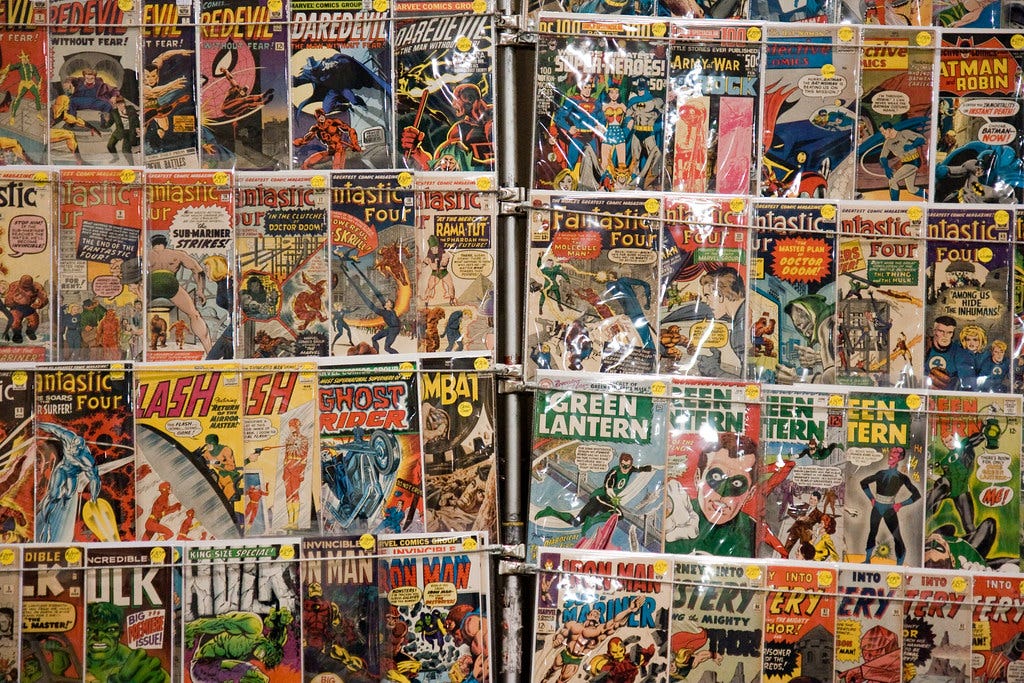
Comic books have been a popular medium for storytelling for over a century. They have provided escapism and entertainment to millions of readers around the world. But where did it all start? Where did comics come to life?
The origins of comics can be traced back to the late 19th century when newspapers began featuring comic strips. These were short, humorous illustrations with speech bubbles that told a story. They became increasingly popular and soon, publishers began producing comic books, which were collections of these strips.
The first comic book was called "The Yellow Kid" and was published by R.F. Outcault in 1895. It was a collection of his comic strips that had appeared in newspapers. This was followed by other popular titles such as "Buster Brown" and "Little Nemo in Slumberland."
During the 1930s, comic books shifted from humor to action-oriented stories, which were influenced by the pulp fiction magazines of the time. This led to the creation of iconic characters such as Superman (1938) and Batman (1939) by DC Comics and Captain America (1941) by Marvel Comics.
Comics also played a significant role in the cultural and social movements of the 20th century. The underground comic book scene of the 1960s and 70s challenged mainstream values and norms, pushing boundaries in terms of content and style. Comic books also addressed social issues such as racism and injustice, as seen in the works of artists like Will Eisner and Art Spiegelman.
Today, comics continue to thrive as a form of entertainment and storytelling. The medium has expanded beyond traditional print comics, with the rise of digital comics and webcomics. Comics have also infiltrated popular culture, with blockbuster movies and TV shows based on comic book characters.
In conclusion, the history of comics spans over a century, with its origins in newspaper comic strips and its evolution into the action-oriented stories of modern-day superheroes. The medium has also played a significant role in societal and cultural movements, addressing controversial topics and challenging traditional norms. Comics continue to adapt and evolve, reflecting the changing times and audiences, and their future looks bright as a form of entertainment and storytelling.